Art Therapy for Teens & Adults in Loudoun County
Therapy doesn't have to be choosing between talking and making art.
With your art therapists, it can move naturally between both.
Sometimes talking helps. Sometimes it doesn’t feel like enough.
Teens can have an incredible amount happening inside of them and still answer, “I don’t know,” when someone asks what’s wrong.
They may know they feel anxious, angry, overwhelmed, disconnected, or just not like themselves, but putting the experience into words can be difficult.
At Family Therapy Center of Northern Virginia, art therapy gives teens and adults another way to explore what they’re experiencing without taking conversation away.
You might talk. You might create. You might do both.
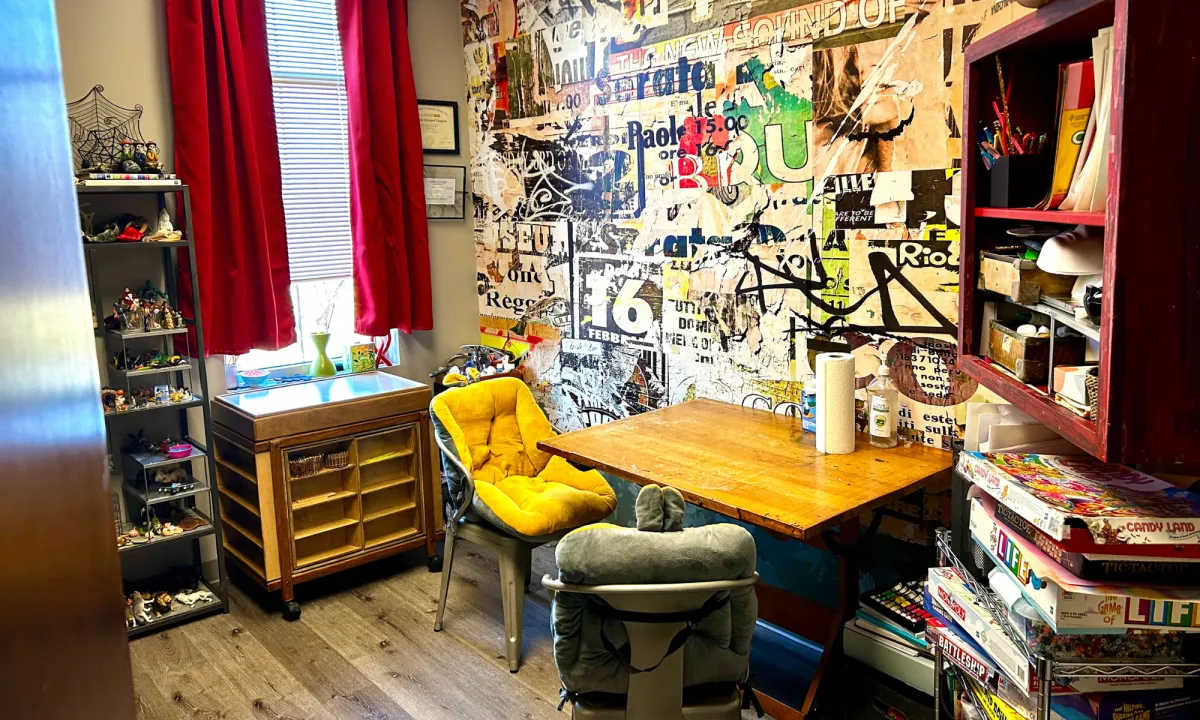
This is Our Art Studio
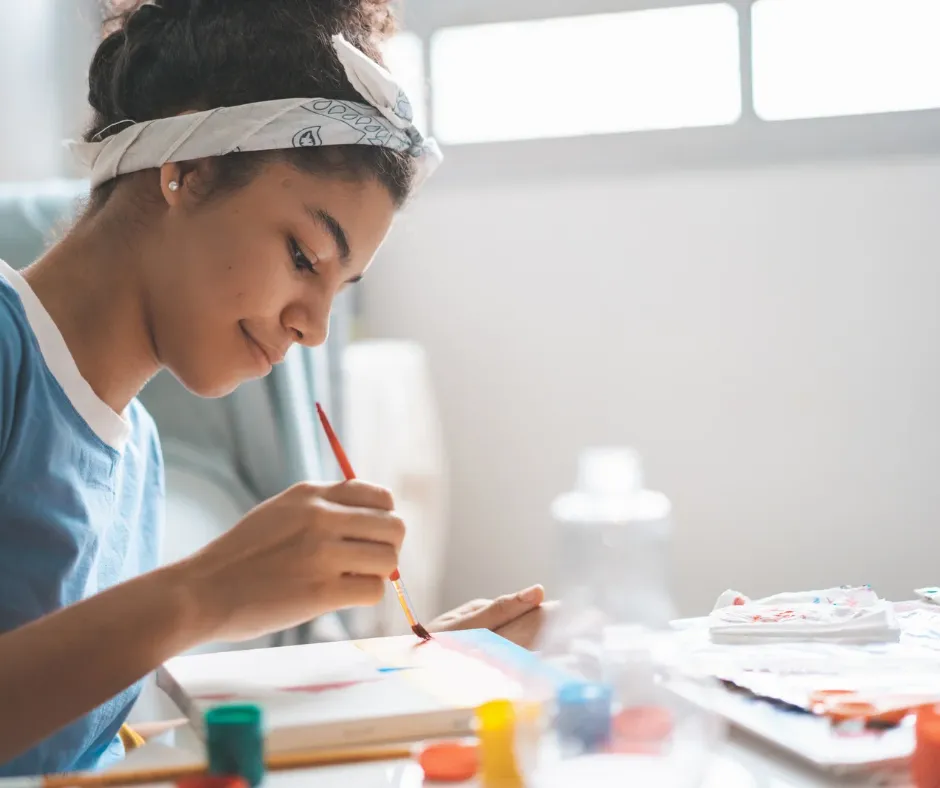
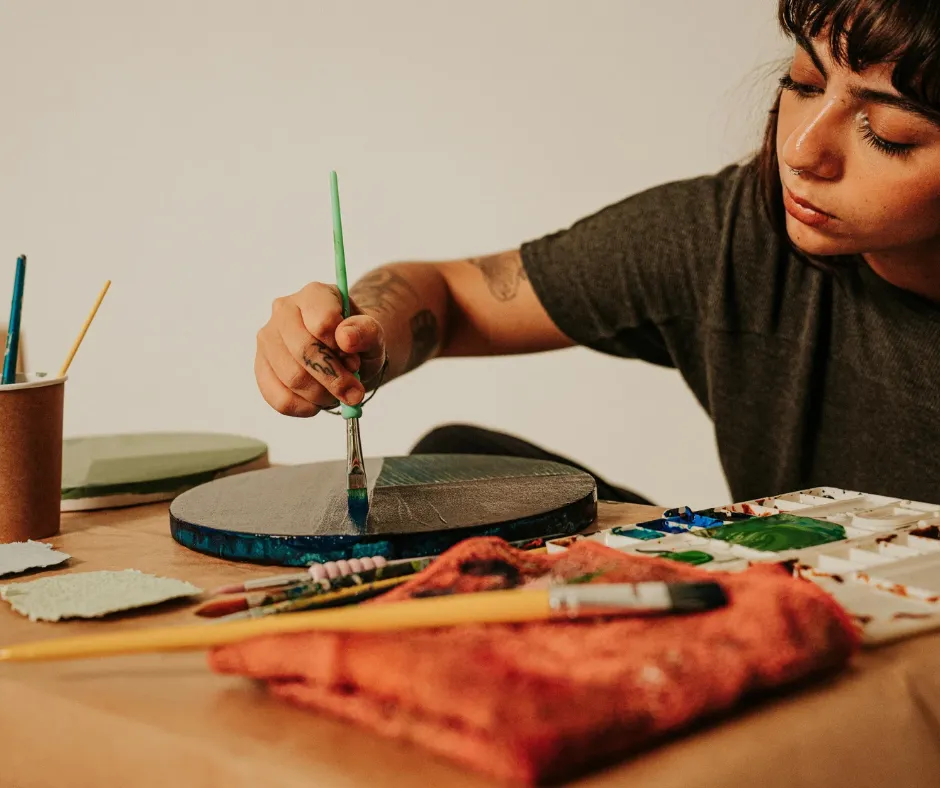
No artistic skills needed to do art therapy. Art can occur in a regular therapy room too.
.
Using art in therapy is about going into the problem from another direction and NOT about the end result and the art that is produced.
What is Art Therapy?
Art therapy combines mental health therapy with the creative process.
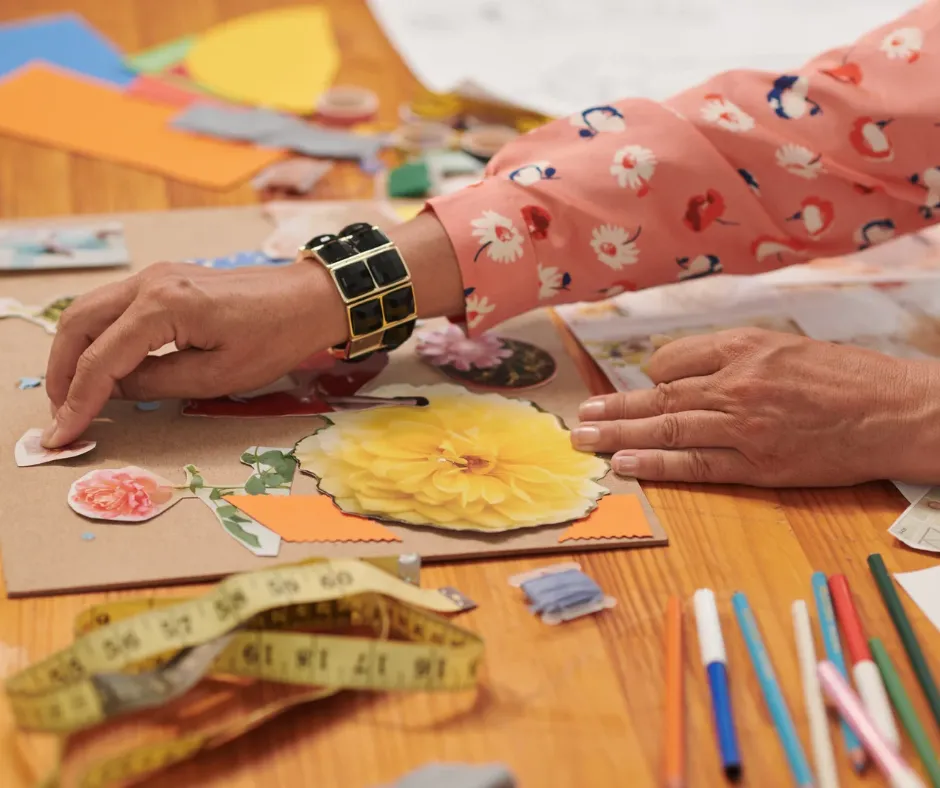
A session may include drawing, painting, collage, clay, mixed media, or other forms of creative expression. The art can help a teen explore emotions, relationships, identity, experiences, and patterns that may be difficult to explain through conversation alone.
But art therapy isn’t an art class, and it isn’t 50 minutes of silently making art.
Our art therapists are therapists first. They talk with clients, build relationships, ask questions, teach skills, and use many of the same therapeutic approaches you might experience in more traditional therapy. Art gives them another tool to work with when words aren't enough.
Sometimes a therapist may suggest a creative experience based on what a client is working through. Other times, the client may naturally choose to create while talking. And there may be sessions when very little art happens at all.
The therapy is shaped around the person, not the art project.
Why Art Therapy Can Be Especially Helpful for Tweens and Teens
Teenagers are capable of talking about their lives, but that doesn’t mean everything they experience is easy to put into words.
Adolescence can bring questions about identity, relationships, belonging, independence, self-worth, body image, family, friendships, and the future, all while emotions can feel incredibly intense.
Art creates another way into those conversations.
A teen might use images to explore different parts of their identity, create something that represents anxiety, use collage to express feelings they haven't been able to describe, or simply work with their hands while talking about something difficult.
Sometimes creating helps a teen discover something they didn't know how to say. Sometimes it makes talking easier.
And sometimes having something to do while talking makes therapy feel much less uncomfortable than sitting across from an adult and being expected to talk for an entire session.
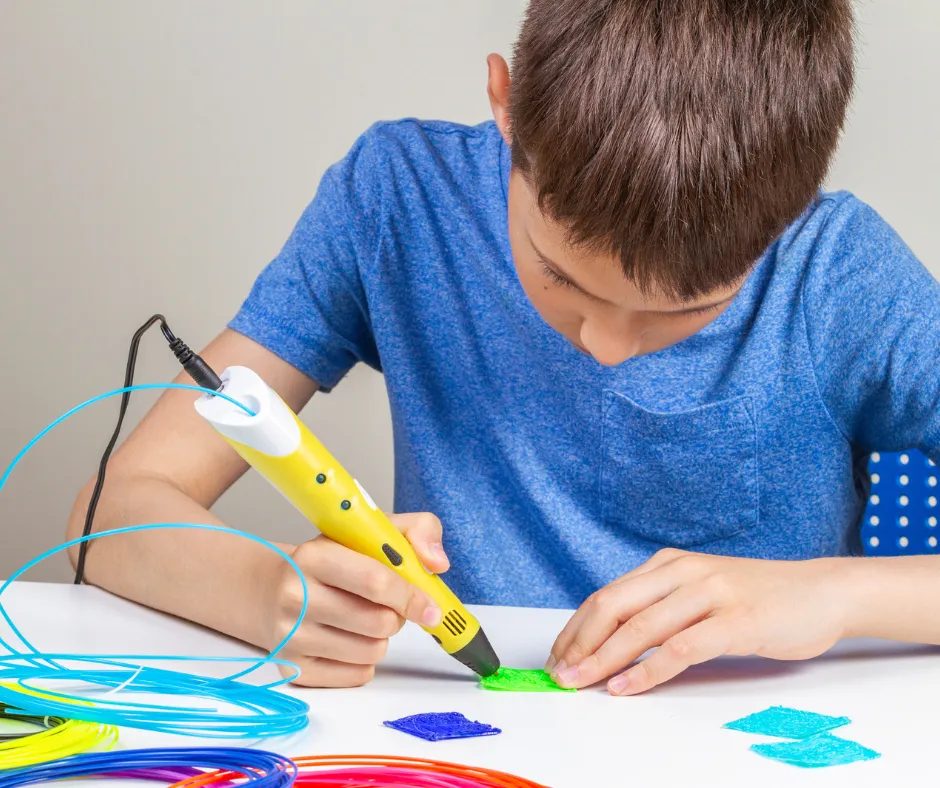
Art gives teens a safer way to show what is happening inside, so we can begin to help.
What Can Art Therapy Help With?
Teens come to therapy for many different reasons. Art therapy can be incorporated into treatment for concerns such as:
Anxiety and feeling overwhelmed
Depression or withdrawal
Trauma and difficult experiences
Grief and loss
Self-esteem and confidence
Identity and figuring out who they are
Friendship and relationship difficulties
Family conflict or changes within the family
School stress and academic pressure
Emotional regulation
Neurodivergence and feeling different from peers
Chronic illness or complicated medical experiences
Life transitions and uncertainty about the future
We don't choose art therapy simply because someone has a particular diagnosis. We look at the whole person and how they naturally communicate, process experiences, and connect.
Art Therapy for Adults
Creative therapy isn't only for children and teenagers.
Adults can benefit from art therapy too.
Sometimes adults become very good at explaining their experiences. They can tell the story, understand the patterns, and even know intellectually why they respond the way they do, but still feel stuck.
Art therapy can offer another way to approach the experience.
An adult may move between conversation and creative work, use images or symbols to explore something difficult to articulate, or notice feelings and connections that weren't as accessible through talking alone.
And just like teens, adults do not have to consider themselves artistic to benefit.