When something feels off with your child or teen
Sometimes it is clear
Sometimes it is harder to name
You may be noticing:
bigger emotions than usual
meltdowns, shutdowns, or withdrawal
changes at school or with friends
a sense that something just is not quite right
You may have already tried to help.
And still feel unsure what to do next.
You do not have to figure this out alone.

Meeting children & teens
where they are
Every child experiences the world differently.
At each stage of development, they need something different from us.
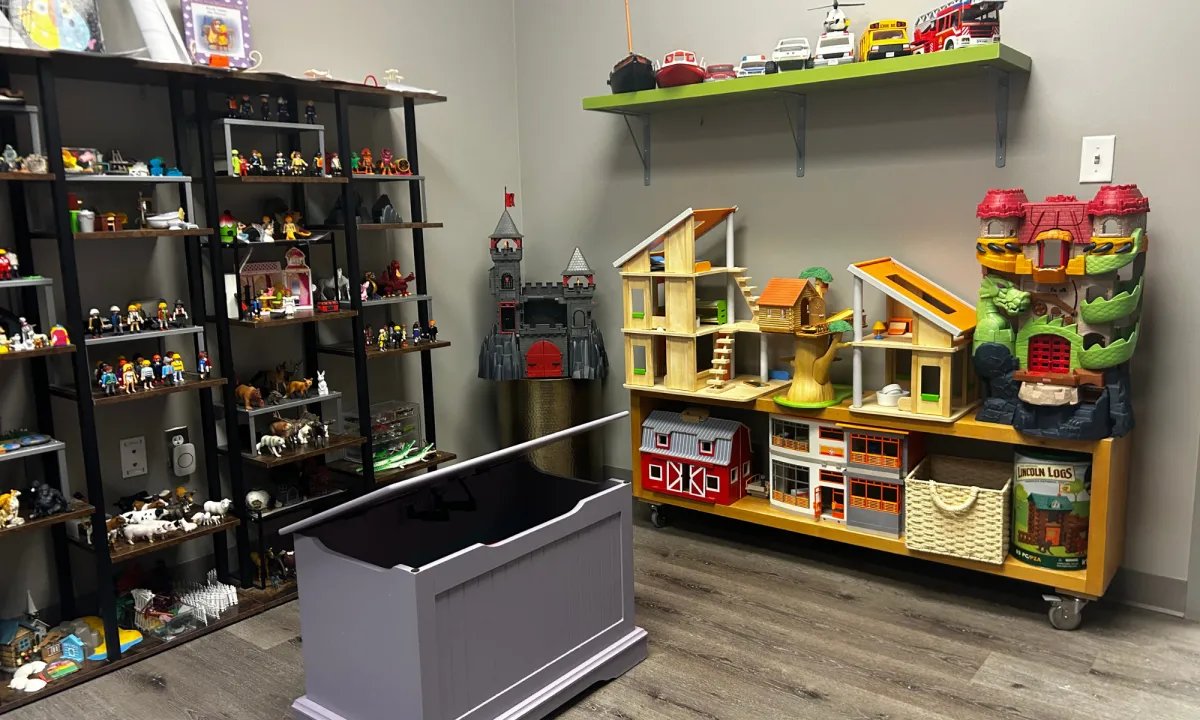
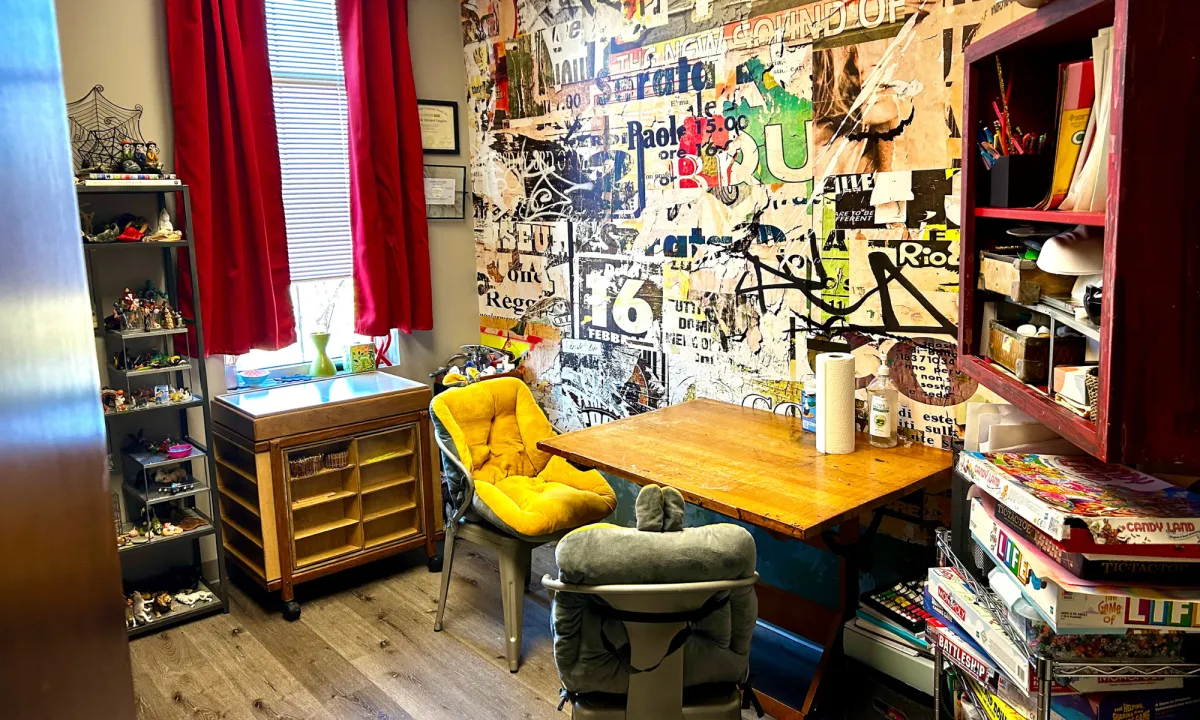
We create spaces that match how children actually grow, process, and communicate so they can begin to feel more steady, more understood, and more like themselves again.
Early Childhood (Ages 3–7)
Young children do not always have words for what they feel. Instead, it shows up in behavior.
You might see:
tantrums or big emotional swings
separation struggles
sleep changes or regression
difficulty listening or following directions
In this stage, children often process through play.
You might see:
safely express what they cannot yet say
work through fears, confusion, or overwhelm
begin to feel more in control of their world
Play gives children a way to show us what is happening inside, so we can begin to help..
Tweens (Ages 8–12)
This is a bridge stage.
They are growing into who they are
but still need support making sense of big emotions, friendships, and change.
You might notice:
mood shifts or increased sensitivity
social struggles or friendship stress
school avoidance or pressure
pulling away but still needing connection
Some tweens enjoy creative or playful approaches.
Others are not interested in “playing” at all.
We meet them in the middle.
They may not want to play, but they still need a space that feels safe, relaxed, and pressure-free.
Teens (Ages 13–17)
Teens are working out who they are, often quietly and internally.
You might see:
withdrawal or isolation
stress, anxiety, or overwhelm
irritability or emotional shutdown
questions around identity, relationships, or direction
Some teens want to talk.
Some prefer space, art, or time to think.
We offer a space that respects their independence
while still giving them support.
A place where they do not have to perform, explain everything perfectly, or have it all figured out.
We are here for you too
When your child is struggling, it affects you too
You may be
second-guessing yourself
feeling frustrated or worn down
unsure how to respond in the moment
trying everything and not seeing change
We do not have to just work with your child.
We can work with you. too
Parent sessions help you:
understand what is really happening beneath the behavior
know how to respond in ways that actually help
feel more steady and confident at home
And when it is helpful, we bring families together to::
improve communication
reduce tension
help everyone feel more understood
You will not be left to figure this out on your own.


You do not have to wait until things get worse
If something feels off, it is worth paying attention to. We are here to help you make sense of what is happening and take the next step forward.